You don't need an excuse to have beautiful nails. Step outside without worrying about the appearance of your feet.
You don't need an excuse to have beautiful nails. Step outside without worrying about the appearance of your feet.
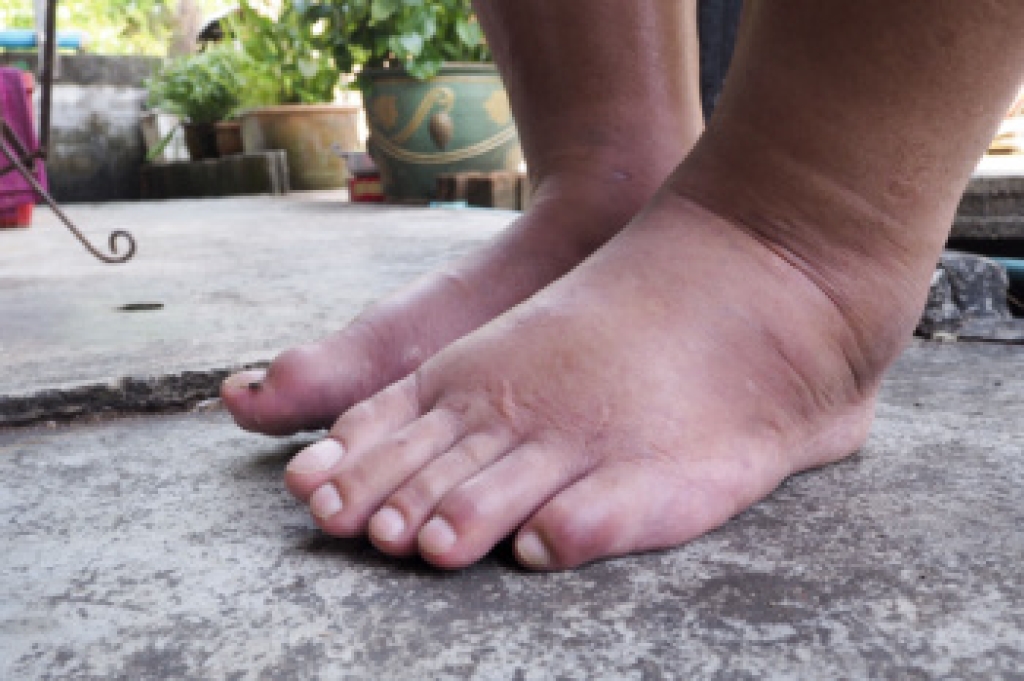
Swelling of the feet can develop when excess fluid collects in the tissues of the feet, ankles, or lower legs. This buildup is called edema. Swelling can affect one or both feet and can sometimes extend into the legs. Gravity can make swelling more noticeable in the lower body, especially after standing for long periods of time. Long airplane flights or car rides can also contribute to swollen feet and ankles. In some cases, swelling follows an injury or surgery involving the foot, ankle, or leg. The area can feel tight, heavy, or uncomfortable.
Several health problems can cause swelling in the feet. Poor circulation in the leg veins can allow fluid to collect in the lower limbs. A blood clot or infection can also cause swelling, particularly when one leg is affected. Swelling can also be connected to problems involving the heart, kidneys, or liver because these conditions can cause excess fluid to remain in the body. Certain medications can contribute to swelling as well. Sudden swelling deserves attention, especially when the foot or leg becomes red or warm. Swelling accompanied by chest pain or shortness of breath requires immediate emergency care.
A podiatrist can examine swollen feet and ankles and look for signs that help identify the cause. The evaluation includes discussing when the swelling began, whether one or both feet are affected, and what other symptoms are present. A podiatrist can assess circulation and examine the skin for changes linked to swelling. Diagnostic testing can also help determine what is causing the problem. Treatment depends on the underlying cause rather than the swelling alone. If your feet or ankles have become swollen, it is suggested that you schedule an appointment with a podiatrist for a diagnosis and appropriate treatment.
Swollen feet can be a sign of an underlying condition. If you have any concerns, contact one of our podiatrists of Riznyk Podiatry. Our doctors can provide the care you need to keep you pain-free and on your feet.
Swollen feet are a common ailment among pregnant women and people who stand or sit for extended periods. Aging may increase the possibility of swollen feet and patients who are obese often notice when their feet are swelling too. There may be medical reasons why swollen feet occur:
Swollen feet can also be caused by bone and tendon conditions, including fractures, arthritis, and tendinitis. Additionally, there may be skin and toenail conditions and an infection may cause the feet to swell. Patients who take medicine to treat high blood pressure may be prone to getting swollen feet.
Many patients elevate their feet to help relieve the swelling and this is generally a temporary remedy. When a podiatrist is consulted the reason behind the swelling can be uncovered and subsequently treated.
If you have any questions please contact our office located in Orchard Park, NY . We offer the newest diagnostic and treatment technologies for all your foot and ankle needs.

A medial ankle injury affects the inner side of the ankle, where bones, tendons, and supporting tissues work together to provide stability. These injuries can develop from sudden trauma, repeated stress, or an awkward landing. Common symptoms include inner ankle pain, swelling, and difficulty bearing weight. Pain may increase when walking, running, or pushing off the foot. Early evaluation can help prevent a manageable injury from becoming more limiting.
One cause is an ankle twist that forces the foot outward or places excessive stress on the structures along the inside of the joint. Direct impacts, sports-related movements, and overuse can also contribute. Risk factors include previous ankle injuries, sudden increases in physical activity, and footwear that provides inadequate support. People participating in running, court sports, or activities requiring quick direction changes may experience greater stress on the medial ankle.
A podiatrist begins treatment by reviewing how the injury occurred and examining swelling, range of motion, and ankle stability. Imaging, including X-rays or other studies, may be recommended when a fracture or significant tissue injury is suspected. Treatment depends on the diagnosis and may include activity modification, supportive footwear, or bracing,
Healing should progress gradually rather than through continued activity that increases pain. A podiatrist may recommend exercises that improve strength, flexibility, and ankle control as recovery advances. Follow-up visits allow the provider to monitor progress and adjust treatment when needed. Returning to sports too quickly can increase reinjury risk, so activity should increase according to professional guidance and milestones. Ankle injuries can cause difficulty in completing daily tasks. If you have injured your ankle, it is suggested that you consult a podiatrist for an accurate diagnosis and appropriate treatment.
Ankle pain can have many different causes and the pain may potentially be serious. If you have ankle pain, consult with one of our podiatrists from Riznyk Podiatry. Our doctors will assess your condition and provide you with quality foot and ankle treatment.
Ankle pain is any condition that causes pain in the ankle. Due to the fact that the ankle consists of tendons, muscles, bones, and ligaments, ankle pain can come from a number of different conditions.
Causes
The most common causes of ankle pain include:
Symptoms
Symptoms of ankle injury vary based upon the condition. Pain may include general pain and discomfort, swelling, aching, redness, bruising, burning or stabbing sensations, and/or loss of sensation.
Diagnosis
Due to the wide variety of potential causes of ankle pain, podiatrists will utilize a number of different methods to properly diagnose ankle pain. This can include asking for personal and family medical histories and of any recent injuries. Further diagnosis may include sensation tests, a physical examination, and potentially x-rays or other imaging tests.
Treatment
Just as the range of causes varies widely, so do treatments. Some more common treatments are rest, ice packs, keeping pressure off the foot, orthotics and braces, medication for inflammation and pain, and surgery.
If you have any questions please feel free to contact our office located in Orchard Park, NY . We offer the newest diagnostic tools and technology to treat your foot and ankle needs.

An ankle sprain occurs when the foot suddenly twists or rolls, stretching or tearing the ligaments that hold the joint together. Ligaments are strong bands of tissue that help keep bones stable. A sprain can happen while running on uneven ground, participating in sporting activities, or even stepping the wrong way down a step or curb. Most sprains affect the outside of the ankle and cause pain, swelling, bruising, and tenderness. The ankle may feel weak or unstable while walking. Recovery depends on how much damage has occurred. A grade 1 sprain is mild and usually heals within one to two weeks. A grade 2 sprain involves a partial ligament tear and often takes three to six weeks to recover. A grade 3 sprain is the most severe, with a complete or near-complete tear that can require several months of healing.
A podiatrist begins by examining the ankle to determine the severity of the injury. This includes checking for swelling, tenderness, and joint stability. X-rays or other imaging can help rule out a broken bone or identify more serious damage. Care can include using a supportive brace or walking boot. Targeted exercises can help restore strength, balance, and flexibility. Prompt treatment also lowers the chance of repeated ankle sprains or long-term ankle instability that affects daily activities.
Recovery does not always follow the same schedule because every injury is different. Mild sprains usually improve quickly, while severe injuries require much more time and careful treatment. Ignoring pain or returning to activity too soon can slow healing and increase the risk of another sprain. In severe cases, surgery may be needed. A podiatrist monitors healing, recommends the right treatment plan, and helps patients return to normal movement as safely as possible. If you have sprained an ankle, it is suggested that you schedule an appointment with a podiatrist for an accurate diagnosis and appropriate treatment.
Although ankle sprains are common, they aren’t always minor injuries. If you need your ankle injury looked at, contact one of our podiatrists from Riznyk Podiatry. Our doctors can provide the care you need to keep you pain-free and on your feet.
How Does an Ankle Sprain Occur?
Ankle sprains are the result of a tear in the ligaments within the ankle. These injuries may happen when you make a rapid shifting movement while your foot is planted. A less common way to sprain your ankle is when your ankle rolls inward while your foot turns outward.
What Are the Symptoms?
Preventing a Sprain
Treatment of a Sprain
In many cases, the RICE method (Rest, Ice, Compression, and Elevate) is used to treat ankle sprains. However, you should see a podiatrist to see which treatment option would work best with your injury. In severe cases, surgery may be required.
It is important to ask your doctor about rehab options after you receive treatment for your injury. Stretching, strength training, and balance exercises may help the ankle heal while also preventing further injury.
If you have any questions, please feel free to contact our office located in Orchard Park, NY . We offer the newest diagnostic and treatment technologies for all your foot care needs.

Congenital foot problems are present at birth and can affect the shape, position, or function of a child's feet. One of the most common congenital foot conditions is clubfoot, which causes the foot to twist inward and downward instead of developing in its usual position. Clubfoot may affect one foot or both feet. Although it is painless in newborns, it can lead to difficulty standing and walking if left untreated. Other congenital foot problems may involve differences in the toes or the overall structure of the foot. Because these conditions vary in severity, an early evaluation is important to determine the most appropriate treatment and support healthy foot development.
The exact cause of clubfoot is not always known, although genetic and developmental factors may play a role. Clubfoot develops before birth and is not caused by anything a parent did during pregnancy. As a child grows, an untreated foot deformity can affect balance, walking, and overall mobility. It may also place extra stress on the ankles, knees, and hips as the body tries to compensate for abnormal foot position. A thorough examination helps determine the type and severity of the condition. Early diagnosis allows healthcare providers to begin treatment at the most appropriate time and monitor progress as the child develops.
A podiatrist plays an important role in evaluating congenital foot problems and working with families throughout treatment. Care is based on the child's age, the severity of the condition, and overall foot development. A podiatrist also monitors foot growth, evaluates walking patterns, and helps identify any changes that require additional care. Regular follow-up visits can support healthy development and improve long-term function. If your child has signs of clubfoot or another congenital foot problem, it is suggested that you consult a podiatrist for an evaluation and appropriate treatment options.
Congenital foot problems require immediate attention to avoid future complications. If you have any concerns, contact one of our podiatrists of Riznyk Podiatry. Our doctors can provide the care you need to keep you pain-free and on your feet.
Congenital foot problems are deformities affecting the feet, toes, and/or ankles that children are born with. Some of these conditions have a genetic cause while others just happen. Some specific foot ailments that children may be born with include clubfeet, polydactyly/macrodactyly, and cleft foot. There are several other foot anomalies that can occur congenitally. What all of these conditions have in common is that a child may experience difficulty walking or performing everyday activities, as well as trouble finding footwear that fits their foot deformity. Some of these conditions are more serious than others. Consulting with a podiatrist as early as possible will help in properly diagnosing a child’s foot condition while getting the necessary treatment underway.
What are Causes of Congenital Foot Problem?
A congenital foot problem is one that happens to a child at birth. These conditions can be caused by a genetic predisposition, developmental or positional abnormalities during gestation, or with no known cause.
What are Symptoms of Congenital Foot Problems?
Symptoms vary by the congenital condition. Symptoms may consist of the following:
Treatment and Prevention
While there is nothing one can do to prevent congenital foot problems, raising awareness and receiving neonatal screenings are important. Early detection by taking your child to a podiatrist leads to the best outcome possible.
If you have any questions, please feel free to contact our office located in Orchard Park, NY . We offer the newest diagnostic and treatment technologies for all your foot care needs.