Blog

Are Flip Flops Dangerous for the Feet?

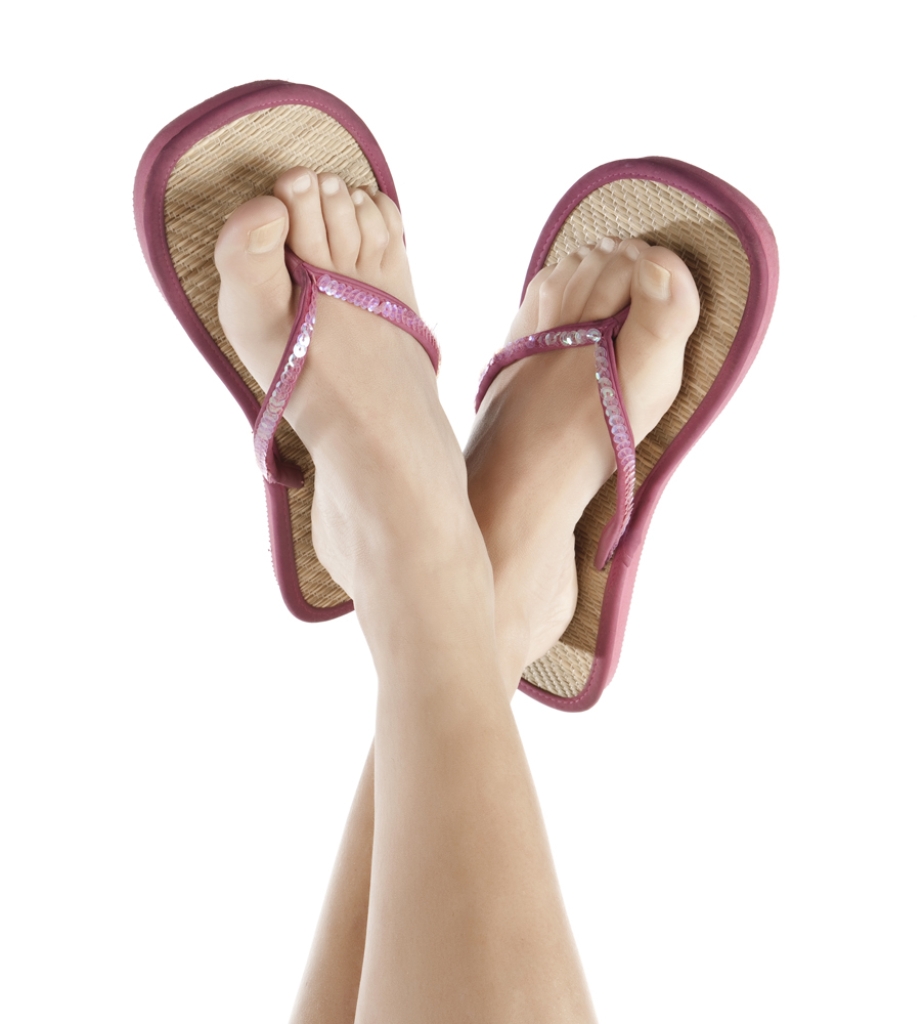
Flip flops are easy to slip into, and the appeal of wearing this type of shoe during the warmer months is desirable among many people. Despite the allure of wearing flip flops, research has indicated that they may cause damage to the feet and ankles. This may be due to a result of gripping this style of shoe with the toes in order to keep them on the feet. This motion can put pressure on the lower body, possibly causing pain and discomfort. Additionally, many people can develop flat feet, which can occur from a lack of arch support. If you decide to purchase flip flops, it may be beneficial to choose shoes that are made of a sturdy material, and it may help to wear them in limited intervals. If you would like more information about how flip flops can affect the feet, please consult with your local podiatrist. 

Flip-flops can cause a lot of problems for your feet. If you have any concerns about your feet or ankles, contact one of our podiatrists from Riznyk Podiatry. Our doctors will assist you with all of your foot and ankle needs.

Flip-Flops and Feet

Flip-flops have managed to become a summer essential for a lot of people. While the shoes may be stylish and easy to slip on and off, they can be dangerous to those who wear them too often. These shoes might protect you from fungal infections such as athlete’s foot, but they can also give you foot pain and sprained ankles if you trip while wearing them.

When Are They Okay to Wear?

Flip-flops should only be worn for very short periods of time. They can help protect your feet in places that are crawling with fungi, such as gym locker rooms. Athlete’s foot and plantar warts are two common fungi that flip-flops may help protect your feet against.

Why Are They Bad for My Feet?

These shoes do not offer any arch support, so they are not ideal for everyday use. They also do not provide shock absorption or heel cushioning which can be problematic for your feet. Additionally, you may suffer from glass cuts, puncture wounds, and stubbed toes since they offer little protection for your feet.

More Reasons Why They Are Bad for Your Feet

  • They Slow You Down
  • May Cause Blisters and Calluses
  • Expose Your Feet to Bacteria

If you have any questions, please feel free to contact our office located in Orchard Park, NY . We offer the newest diagnostic and treatment technologies for all your foot care needs.

Read more about Flipping Out About Flip Flops

Wounds That Don't Heal Need to Be Checked

Your feet are covered most of the day. If you're diabetic, periodic screening is important for good health. Numbness is often a sign of diabetic foot and can mask a sore or wound.

Possible Causes of Flat Feet

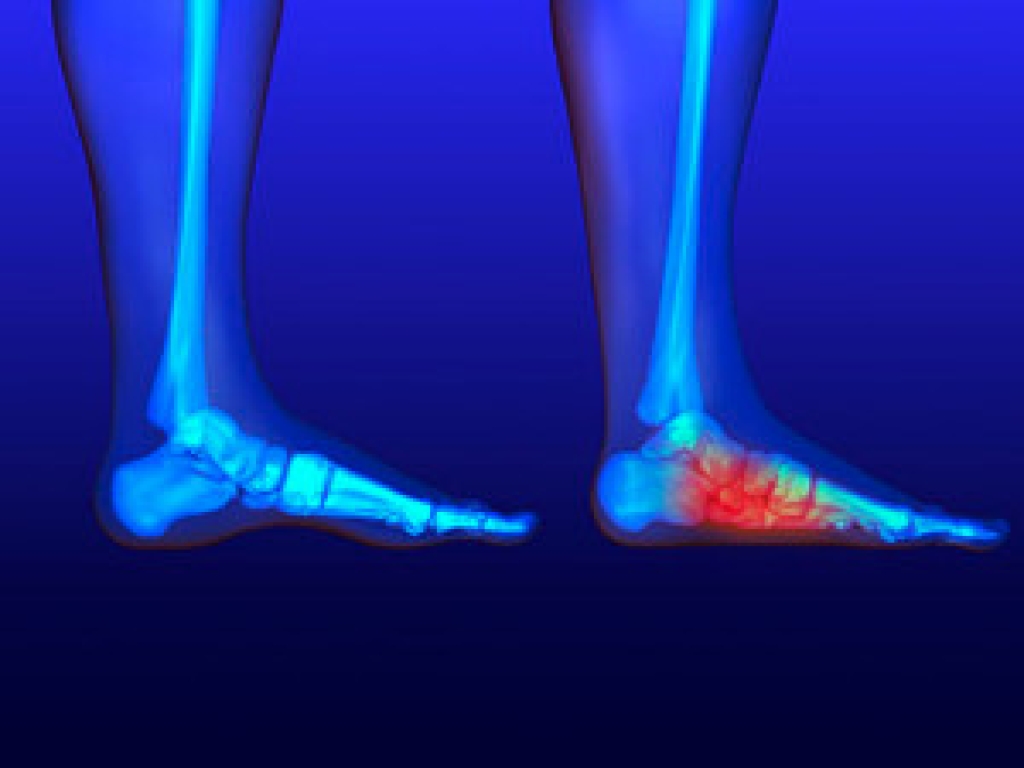
The medical term that is referred to as flat feet is indicative of little or no arches in the feet. It is noticeable while standing, as the foot rests completely on the floor. Many patients who experience this condition often feel foot pain, and this can result from ligaments and muscles that have become strained. Additionally, the feet may feel stiff, and shoes may wear unevenly and quickly. There are several causes as to why flat feet can exist. These include injuries that may have occurred to the foot or ankle, inherited traits, or muscle diseases such as muscular dystrophy or cerebral palsy. Mild relief may be found when gentle foot stretches and exercises are performed, as this may help to manage the symptoms. If you have flat feet, it is strongly advised that you counsel with a podiatrist who can offer treatment techniques that are correct for you.

Flatfoot is a condition many people suffer from. If you have flat feet, contact one of our podiatrists from Riznyk Podiatry. Our doctors will treat your foot and ankle needs.

What Are Flat Feet?

Flatfoot is a condition in which the arch of the foot is depressed and the sole of the foot is almost completely in contact with the ground. About 20-30% of the population generally has flat feet because their arches never formed during growth.

Conditions & Problems:

Having flat feet makes it difficult to run or walk because of the stress placed on the ankles.

Alignment – The general alignment of your legs can be disrupted, because the ankles move inward which can cause major discomfort.

Knees – If you have complications with your knees, flat feet can be a contributor to arthritis in that area.  

Symptoms

  • Pain around the heel or arch area
  • Trouble standing on the tip toe
  • Swelling around the inside of the ankle
  • Flat look to one or both feet
  • Having your shoes feel uneven when worn

Treatment

If you are experiencing pain and stress on the foot you may weaken the posterior tibial tendon, which runs around the inside of the ankle. 

If you have any questions, please feel free to contact our office located in Orchard Park, NY . We offer the newest diagnostic and treatment technologies for all your foot care needs.
Read more about Flatfoot

All About Tarsal Tunnel Syndrome

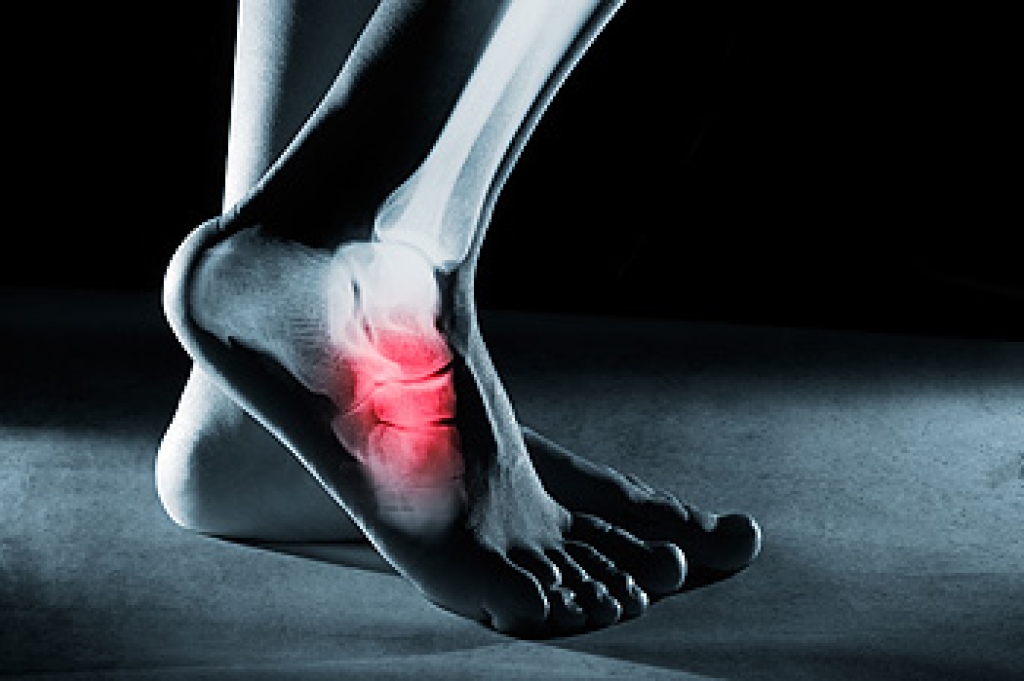
Tarsal tunnel syndrome, also known as TTS, occurs when the posterior tibial nerve becomes compressed and damaged, in turn causing inflammation. This is usually caused by continual overuse of the foot and ankle such as prolonged walking, running, standing, or exercising. If left untreated, TTS can cause permanent nerve damage. Some common treatments are wearing specialized shoes and inserts, over-the-counter pain and anti-inflammatory medications, physical therapy and rest. Strengthening exercises should be done to help prevent problems. These exercises include heel-toe raises, pencil toe lifts and balance exercises. If not treated right away, TTS can lead to the risk of developing other conditions such as flat feet, fallen arches, rheumatoid arthritis, varicose veins and the susceptibility to becoming overweight. If you notice any symptoms of TTS, it is important that you see a podiatrist right away. 


Tarsal tunnel syndrome can be very uncomfortable to live with. If you are experiencing tarsal tunnel syndrome, contact one of our podiatrists of Riznyk Podiatry. Our doctors can provide the care you need to keep you pain-free and on your feet.

Tarsal Tunnel Syndrome

Tarsal tunnel syndrome, which can also be called tibial nerve dysfunction, is an uncommon condition of misfiring peripheral nerves in the foot. The tibial nerve is the peripheral nerve in the leg responsible for sensation and movement of the foot and calf muscles. In tarsal tunnel syndrome, the tibial nerve is damaged, causing problems with movement and feeling in the foot of the affected leg.

Common Cause of Tarsal Tunnel Syndrome

  • Involves pressure or an injury, direct pressure on the tibial nerve for an extended period of time, sometimes caused by other body structures close by or near the knee.
  • Diseases that damage nerves, including diabetes, may cause tarsal tunnel syndrome.
  • At times, tarsal tunnel syndrome can appear without an obvious cause in some cases.

The Effects of Tarsal Tunnel Syndrome

  • Different sensations, an afflicted person may experience pain, tingling, burning or other unusual sensations in the foot of the affected leg.
  • The foot muscles, toes and ankle become weaker, and curling your toes or flexing your foot can become difficult.
  • If condition worsens, infections and ulcers may develop on the foot that is experiencing the syndrome.

A physical exam of the leg can help identify the presence of tarsal tunnel syndrome. Medical tests, such as a nerve biopsy, are also used to diagnose the condition. Patients may receive physical therapy and prescriptive medication. In extreme cases, some may require surgery.

If you have any questions please contact our office located in Orchard Park, NY . We offer the newest diagnostic and treatment technologies for all your foot and ankle needs.

Read more about Tarsal Tunnel Syndrome

The Purpose of the Achilles Tendon

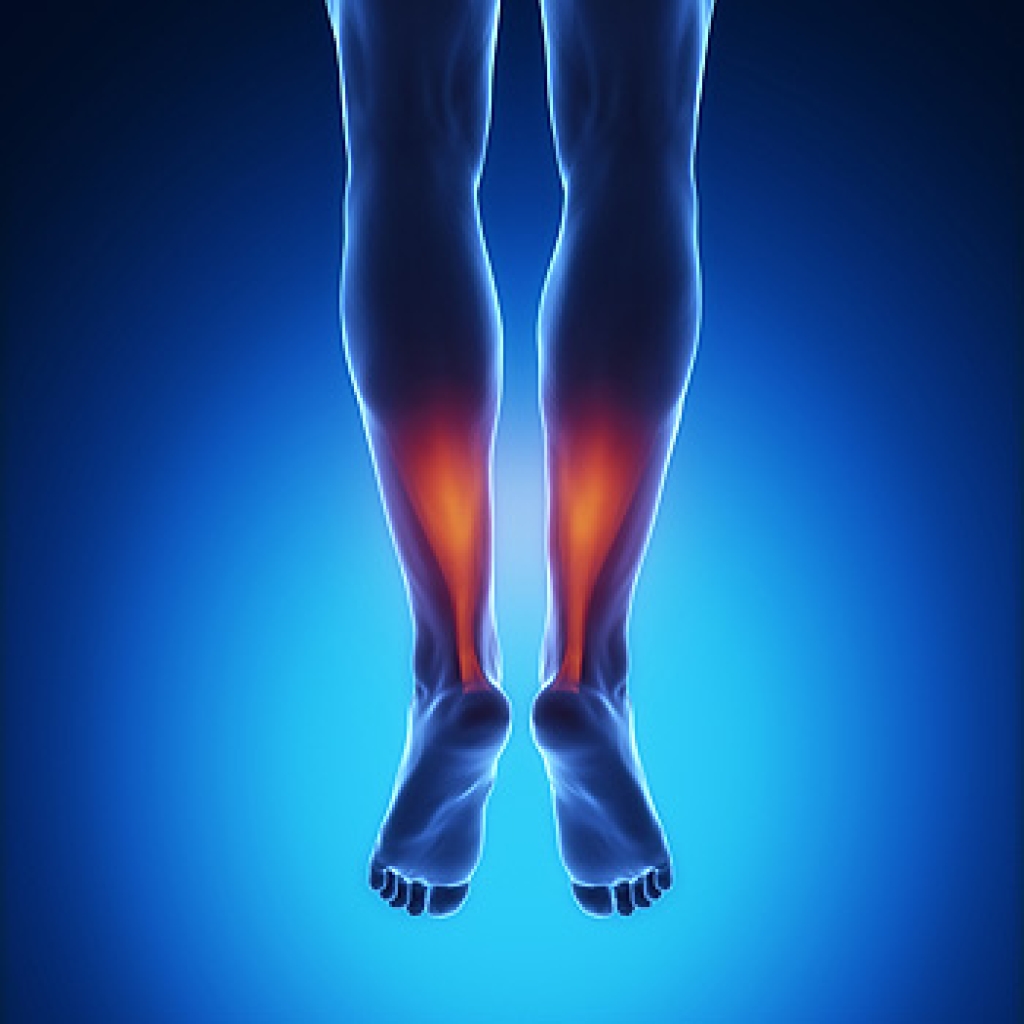
The Achilles tendon is located in the back of the calf, and its purpose is to connect the heel bone to the calf muscles. While anyone can injure their Achilles tendon, it is said people that frequently participate in sporting activities like basketball or tennis, may be at a higher risk due to constant stopping and sharp turns. When the tendon stretches too far, it can rupture or tear. This can cause considerable pain and discomfort, and daily activities may be difficult to complete. Some of the symptoms that are often associated with this injury can include difficulty in standing on toes, walking up steps, and some patients may notice the back of the ankle is bruised or swollen. It can help to ease the pain by elevating the affected ankle as often as possible, as this may help to reduce swelling. Treatment can include wearing a brace or splint, which may help to stabilize the foot. If you feel you have injured your Achilles tendon, it is suggested that you consult with a podiatrist who can guide you towards the best treatment options.

Achilles tendon injuries need immediate attention to avoid future complications. If you have any concerns, contact one of our podiatrists of Riznyk Podiatry. Our doctors can provide the care you need to keep you pain-free and on your feet.

What Is the Achilles Tendon?

The Achilles tendon is a tendon that connects the lower leg muscles and calf to the heel of the foot. It is the strongest tendon in the human body and is essential for making movement possible. Because this tendon is such an integral part of the body, any injuries to it can create immense difficulties and should immediately be presented to a doctor.

What Are the Symptoms of an Achilles Tendon Injury?

There are various types of injuries that can affect the Achilles tendon. The two most common injuries are Achilles tendinitis and ruptures of the tendon.

Achilles Tendinitis Symptoms

  • Inflammation
  • Dull to severe pain
  • Increased blood flow to the tendon
  • Thickening of the tendon

Rupture Symptoms

  • Extreme pain and swelling in the foot
  • Total immobility

Treatment and Prevention

Achilles tendon injuries are diagnosed by a thorough physical evaluation, which can include an MRI. Treatment involves rest, physical therapy, and in some cases, surgery. However, various preventative measures can be taken to avoid these injuries, such as:

  • Thorough stretching of the tendon before and after exercise
  • Strengthening exercises like calf raises, squats, leg curls, leg extensions, leg raises, lunges, and leg presses

If you have any questions please feel free to contact our office located in Orchard Park, NY . We offer the newest diagnostic tools and technology to treat your foot and ankle needs.

Read more about Achilles Tendon Injuries
Connect With Us