Blog

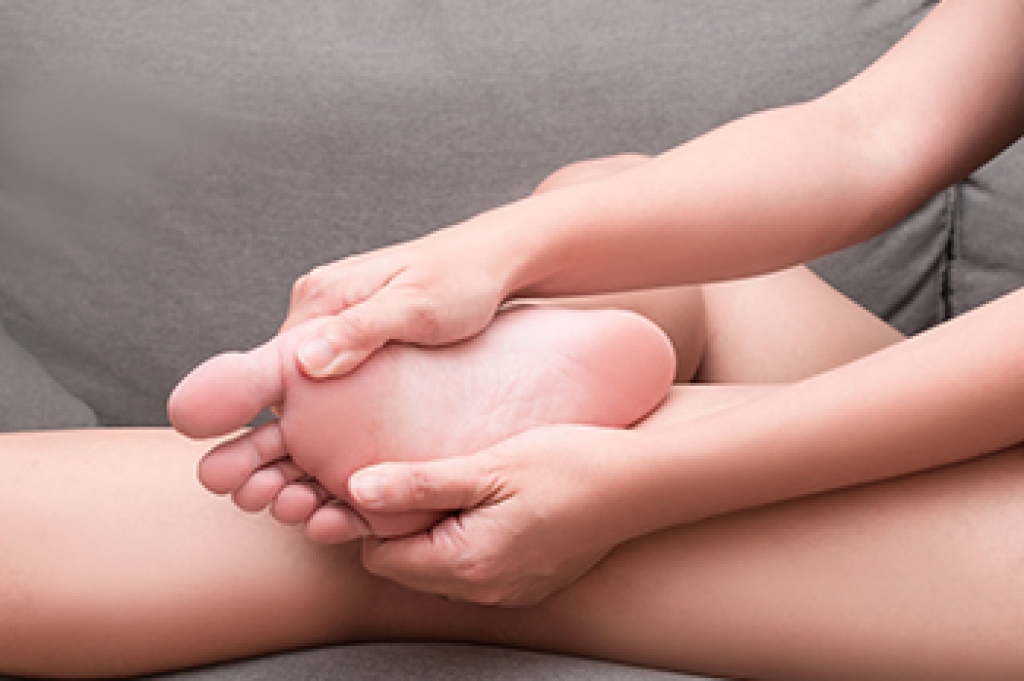
Pain in the Ball of the Foot

Pain in the ball of the foot can have a variety of causes including intense physical activity, having a high foot arch, a stress fracture, wearing shoes that are too small and/or non-supportive, wearing high heels, or being obese.  Other foot conditions, such as sesamoiditis, can also lead to similar pain. Sesamoiditis is inflammation of the sesamoid bones that are connected to tendons instead of other bones. It is common among ballet dancers and runners who do high impact activity. Generally, it is felt as aching in the padding below the toes. Sometimes there is shooting pain or numbness when the toes are flexed where it may feel like there is a pebble in the shoe. The discomfort might disappear when we are off our feet but return once activities are resumed. If you feel pain in the ball of your foot, it is suggested you make an appointment with a podiatrist who can help diagnose the problem and obtain treatment that is right for you

Sesamoiditis is an unpleasant foot condition characterized by pain in the balls of the feet. If you think you’re struggling with sesamoiditis, contact one of our podiatrists of Riznyk Podiatry. Our doctors will treat your condition thoroughly and effectively.

Sesamoiditis

Sesamoiditis is a condition of the foot that affects the ball of the foot. It is more common in younger people than it is in older people. It can also occur with people who have begun a new exercise program, since their bodies are adjusting to the new physical regimen. Pain may also be caused by the inflammation of tendons surrounding the bones. It is important to seek treatment in its early stages because if you ignore the pain, this condition can lead to more serious problems such as severe irritation and bone fractures.

Causes of Sesamoiditis

  • Sudden increase in activity
  • Increase in physically strenuous movement without a proper warm up or build up
  • Foot structure: those who have smaller, bonier feet or those with a high arch may be more susceptible

Treatment for sesamoiditis is non-invasive and simple. Doctors may recommend a strict rest period where the patient forgoes most physical activity. This will help give the patient time to heal their feet through limited activity. For serious cases, it is best to speak with your doctor to determine a treatment option that will help your specific needs.

If you have any questions, please feel free to contact our office located in Orchard Park, NY . We offer the newest diagnostic and treatment technologies for all your foot care needs.

Read more about Sesamoiditis

Dealing with Ingrown Toenails

Ingrown toenails occur when the toenail grows into the surrounding skin, usually at the side of the nail. This is an irritating and painful annoyance that can also cause the skin to become red and swollen. What can make an ingrown toenail worse is if the skin breaks and bacteria enters the skin, causing an infection, drainage and an unpleasant odor. This is potentially dangerous for individuals with diabetes, poor circulation, or nerve damage. Ingrown toenails usually develop from improper toenail grooming. Toenails should always be trimmed straight across (never curved), and they should not be cut too short. Keeping nails flush with the tip of the toe is suggested, as anything shorter may encourage the nail to grow into the skin, not over it. Other risk factors for an ingrown toenail include experiencing trauma/injury to the toenail, wearing shoes that are too short or tight, inheriting a predisposition to ingrown toenails, or having a fungal toenail infection. If you have an ingrown toenail, contact a podiatrist who can relieve your symptoms, address any possible infection, and help avoid future ingrown toenails. 

Ingrown toenails can become painful if they are not treated properly. For more information about ingrown toenails, contact one of our podiatrists of Riznyk Podiatry. Our doctors can provide the care you need to keep you pain-free and on your feet.

Ingrown Toenails

Ingrown toenails occur when a toenail grows sideways into the bed of the nail, causing pain, swelling, and possibly infection.

Causes

  • Bacterial infections
  • Improper nail cutting such as cutting it too short or not straight across
  • Trauma to the toe, such as stubbing, which causes the nail to grow back irregularly
  • Ill-fitting shoes that bunch the toes too close together
  • Genetic predisposition

Prevention

Wearing proper fitting shoes and using proper cutting techniques will also help decrease your risk of developing ingrown toenails.

Treatment

Ingrown toenails are a very treatable foot condition. In minor cases, soaking the affected area in salt or antibacterial soaps will not only help with the ingrown nail itself, but also help prevent any infections from occurring. In more severe cases, surgery is an option. In either case, speaking to your podiatrist about this condition will help you get a better understanding of specific treatment options that are right for you.

If you have any questions, please feel free to contact our office located in Orchard Park, NY . We offer the newest diagnostic and treatment technologies for all your foot care needs.

Read more about Ingrown Toenail Care

Friction and Corns

A corn on the foot is defined as a small area of thickened skin. It can form on top of the toes, on the bottom of the feet, or between the toes. Corns are caused by excess friction that can come from wearing shoes and socks that do not fit correctly. Corns that are found between the toes are referred to as soft corns, and constant moisture keeps them soft. Hard corns are often found on the side of the pinky toe, or on top of the toes. This type of corn can cause severe pain and discomfort, and it may be difficult to walk and complete daily activities. Mild relief may be found when a protective pad is worn over the corn, and it is suggested that larger shoes are worn. Some people have medical conditions that can consist of bunions and hammertoes, and corns can develop on top of the affected toes or on the side of the bunion. If you have corns on your feet, please consult with a podiatrist who can effectively treat this type of foot condition.

If you have any concerns regarding your feet and ankles, contact one of our podiatrists of Riznyk Podiatry. Our doctors will treat your foot and ankle needs.

Corns: What Are They? and How Do You Get Rid of Them?
Corns can be described as areas of the skin that have thickened to the point of becoming painful or irritating. They are often layers and layers of the skin that have become dry and rough, and are normally smaller than calluses.

Ways to Prevent Corns
There are many ways to get rid of painful corns such as wearing:

  • Well-fitting socks
  • Comfortable shoes that are not tight around your foot
  • Shoes that offer support

Treating Corns
Treatment of corns involves removing the dead skin that has built up in the specific area of the foot. Consult with Our doctors to determine the best treatment option for your case of corns.

If you have any questions, please feel free to contact our office located in Orchard Park, NY . We offer the newest diagnostic and treatment technologies for all your foot care needs.

Read more about Corns and Calluses

Do Your Child's Feet Hurt?

Have your child's feet been examined lately? Healthy feet are happy feet. If your child is complaining of foot pain, it may be a sign of underlying problems.

Treating Flat Feet in Children

Flat feet, also known as pes planus, is characterized by a collapse in the arch of the foot and a sagging of the heel. Babies are born with flat feet, but around 3 to 5 years of age, the arch begins to develop. There are three types of flat feet. Flexible flat feet impacts both feet, is typical in children, and does not cause pain. Flexible flat feet with a shortened Achilles tendon are rarely seen in kids and can cause pain, even disability. Rigid flat feet are least common and affects those with problems in the tarsal bones of the feet. This last type of flat feet is as likely to impact both feet as not and will often lead to disability and pain. If one suspects their child has flat feet and this has not resolved by around age 8 or if pain is involved, it is suggested that a podiatrist be consulted to examine the child’s feet and develop the best plan to treat the condition.

Flatfoot is a condition many people suffer from. If you have flat feet, contact one of our podiatrists from Riznyk Podiatry. Our doctors will treat your foot and ankle needs.

What Are Flat Feet?

Flatfoot is a condition in which the arch of the foot is depressed and the sole of the foot is almost completely in contact with the ground. About 20-30% of the population generally has flat feet because their arches never formed during growth.

Conditions & Problems:

Having flat feet makes it difficult to run or walk because of the stress placed on the ankles.

Alignment – The general alignment of your legs can be disrupted, because the ankles move inward which can cause major discomfort.

Knees – If you have complications with your knees, flat feet can be a contributor to arthritis in that area.  

Symptoms

  • Pain around the heel or arch area
  • Trouble standing on the tip toe
  • Swelling around the inside of the ankle
  • Flat look to one or both feet
  • Having your shoes feel uneven when worn

Treatment

If you are experiencing pain and stress on the foot you may weaken the posterior tibial tendon, which runs around the inside of the ankle. 

If you have any questions, please feel free to contact our office located in Orchard Park, NY . We offer the newest diagnostic and treatment technologies for all your foot care needs.

Read more about Flat Feet
Connect With Us