
Blog

What is a Bunionectomy?

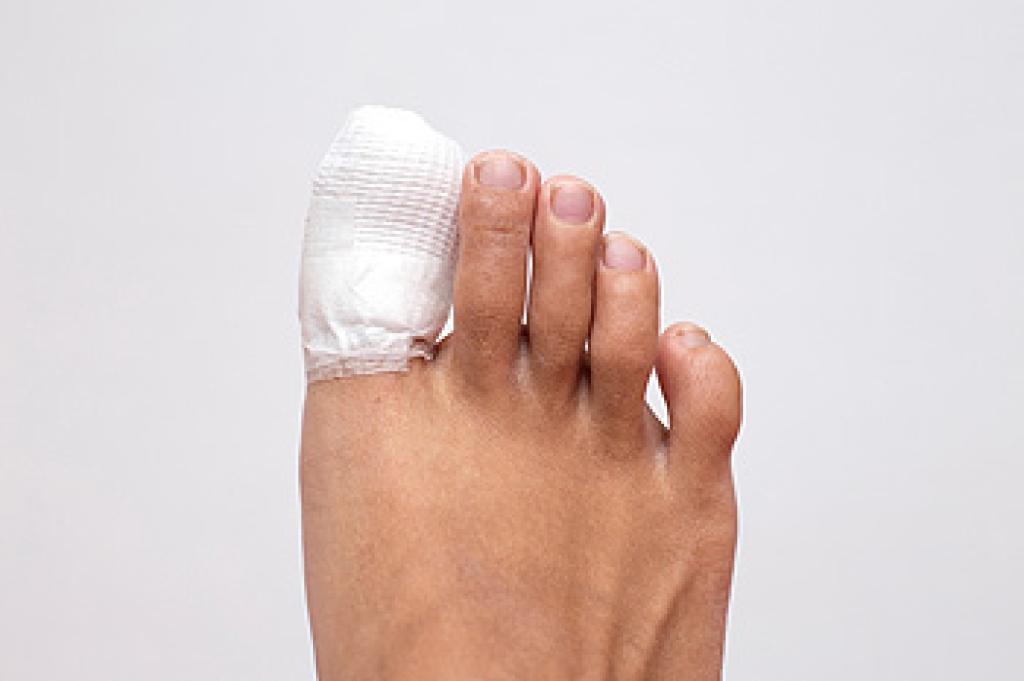
Patients who suffer from bunions may want to consider a type of surgery that is known as a bunionectomy. This is done to remove a portion of bone that is typically caused by a deformity. The reasons these can develop can include genetic factors, or wearing shoes that do not have ample room for the toes to move freely in. The procedure is performed by having incisions made near the affected joints in the big toe and extracting pieces of the protruding bone. There are benefits from having this type of foot surgery done. These can consist of experiencing reduced stiffness, pain levels may be significantly reduced, and walking may become easier. Many patients find it may take several weeks for the swelling to disappear.  If you have a bunion, and are considering a bunionectomy, it is advised that you schedule a consultation with a podiatrist. 

Foot surgery is sometimes necessary to treat a foot ailment. To learn more, contact one of our podiatrists of Riznyk Podiatry. Our doctors will assist you with all of your foot and ankle needs.

When Is Surgery Necessary?

Foot and ankle surgery is generally reserved for cases in which less invasive, conservative procedures have failed to alleviate the problem. Some of the cases in which surgery may be necessary include:

  • Removing foot deformities like bunions and bone spurs
  • Severe arthritis that has caused bone issues
  • Cosmetic reconstruction

What Types of Surgery Are There?

The type of surgery you receive will depend on the nature of the problem you have. Some of the possible surgeries include:

  • Bunionectomy for painful bunions
  • Surgical fusion for realignment of bones
  • Neuropathy decompression surgery to treat nerve damage

Benefits of Surgery

Although surgery is usually a last resort, it can provide more complete pain relief compared to non-surgical methods and may allow you to finally resume full activity.

Surgical techniques have also become increasingly sophisticated. Techniques like endoscopic surgery allow for smaller incisions and faster recovery times.

If you have any questions, please feel free to contact our office located in Orchard Park, NY . We offer the newest diagnostic and treatment technologies for all your foot care needs.
Read more about Foot Surgery

Possible Ways To Break Your Toes

Patients who have broken their toes are often familiar with the sudden pain this type of injury can cause. It may be difficult to move the affected toe, and can appear to be bruised or swollen. In severe fractures, a popping sound may be heard as the bone breaks, and it may protrude from the skin. Common reasons why this injury can happen may include stubbing your toe against a piece of furniture, suddenly stepping off of a curb, or dropping a heavy object onto it. To perform a proper diagnosis, an X-ray is generally taken, as this can help to determine the extent of the fracture. The foot may feel better when it is resting and elevated, followed by taping the injured toe to the toe next to it. This technique may be beneficial in providing the support that is needed as the healing process takes place. If you have broken your toe, please consult with a podiatrist who can provide your with correct treatment options.

A broken toe can be very painful and lead to complications if not properly fixed. If you have any concerns about your feet, contact one of our podiatrists from Riznyk Podiatry. Our doctors will treat your foot and ankle needs.

What to Know About a Broken Toe

Although most people try to avoid foot trauma such as banging, stubbing, or dropping heavy objects on their feet, the unfortunate fact is that it is a common occurrence. Given the fact that toes are positioned in front of the feet, they typically sustain the brunt of such trauma. When trauma occurs to a toe, the result can be a painful break (fracture).

Symptoms of a Broken Toe

  • Throbbing pain
  • Swelling
  • Bruising on the skin and toenail
  • The inability to move the toe
  • Toe appears crooked or disfigured
  • Tingling or numbness in the toe

Generally, it is best to stay off of the injured toe with the affected foot elevated.

Severe toe fractures may be treated with a splint, cast, and in some cases, minor surgery. Due to its position and the pressure it endures with daily activity, future complications can occur if the big toe is not properly treated.

If you have any questions, please feel free to contact our office located in Orchard Park, NY . We offer the newest diagnostic and treatment technologies for all your foot care needs.

Read more about What to Know About a Broken Toe

What is Tarsal Tunnel Syndrome?

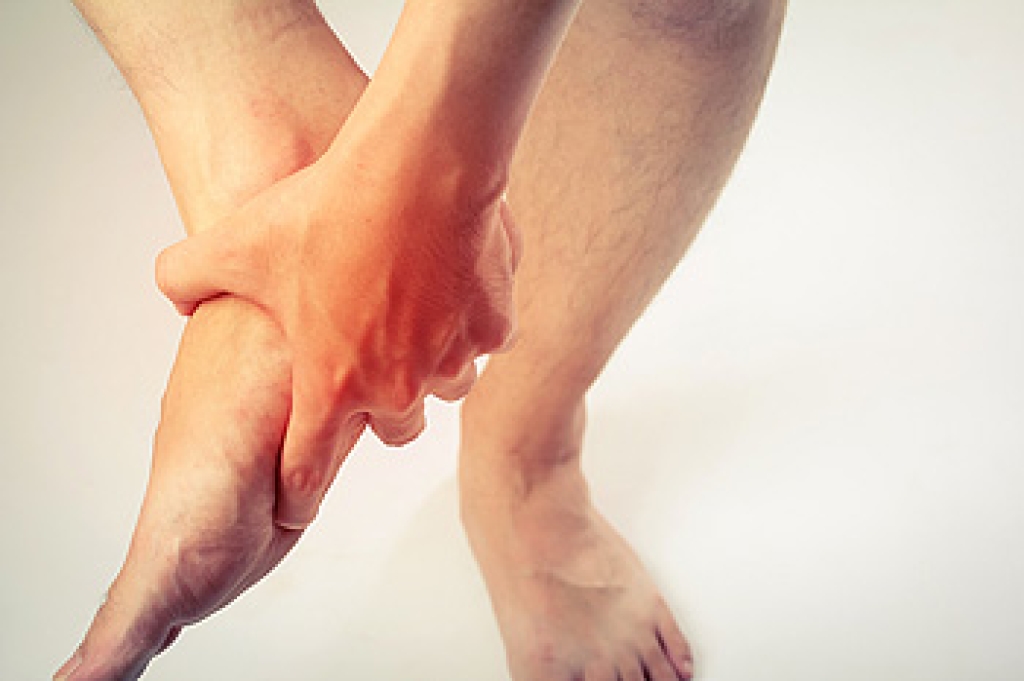
Tarsal tunnel syndrome occurs in the foot and ankle. It is similar to carpal tunnel syndrome, which occurs in the wrist. Both disorders arise from the compression of a nerve in a confined space. Tarsal tunnel syndrome is a constriction, or squeezing, on the posterior tibial nerve that produces symptoms anywhere on the path of the nerve running from the inside of the ankle into the foot. The posterior tibial nerve is the focus of tarsal tunnel syndrome. This nerve runs down the back of the calf and into the sole of the foot. When tissues around the tarsal tunnel become inflamed, they can swell and press on the nerve, causing severe pain. If you have pain in your foot or ankle and want to identify the source, it is suggested to consult with your local podiatrist. Your podiatrist may prescribe corticosteroid injections, orthoses, and in some cases, surgery to treat this ailment.

Tarsal tunnel syndrome can be very uncomfortable to live with. If you are experiencing tarsal tunnel syndrome, contact one of our podiatrists of Riznyk Podiatry. Our doctors can provide the care you need to keep you pain-free and on your feet.

Tarsal Tunnel Syndrome

Tarsal tunnel syndrome, which can also be called tibial nerve dysfunction, is an uncommon condition of misfiring peripheral nerves in the foot. The tibial nerve is the peripheral nerve in the leg responsible for sensation and movement of the foot and calf muscles. In tarsal tunnel syndrome, the tibial nerve is damaged, causing problems with movement and feeling in the foot of the affected leg.

Common Cause of Tarsal Tunnel Syndrome

  • Involves pressure or an injury, direct pressure on the tibial nerve for an extended period of time, sometimes caused by other body structures close by or near the knee.
  • Diseases that damage nerves, including diabetes, may cause tarsal tunnel syndrome.
  • At times, tarsal tunnel syndrome can appear without an obvious cause in some cases.

The Effects of Tarsal Tunnel Syndrome

  • Different sensations, an afflicted person may experience pain, tingling, burning or other unusual sensations in the foot of the affected leg.
  • The foot muscles, toes and ankle become weaker, and curling your toes or flexing your foot can become difficult.
  • If condition worsens, infections and ulcers may develop on the foot that is experiencing the syndrome.

A physical exam of the leg can help identify the presence of tarsal tunnel syndrome. Medical tests, such as a nerve biopsy, are also used to diagnose the condition. Patients may receive physical therapy and prescriptive medication. In extreme cases, some may require surgery.

If you have any questions please contact our office located in Orchard Park, NY . We offer the newest diagnostic and treatment technologies for all your foot and ankle needs.

Read more about Treating Tarsal Tunnel Syndrome

Do Your Child's Feet Hurt?

Have your child's feet been examined lately? Healthy feet are happy feet. If your child is complaining of foot pain, it may be a sign of underlying problems.

When Do Children Begin To Walk?

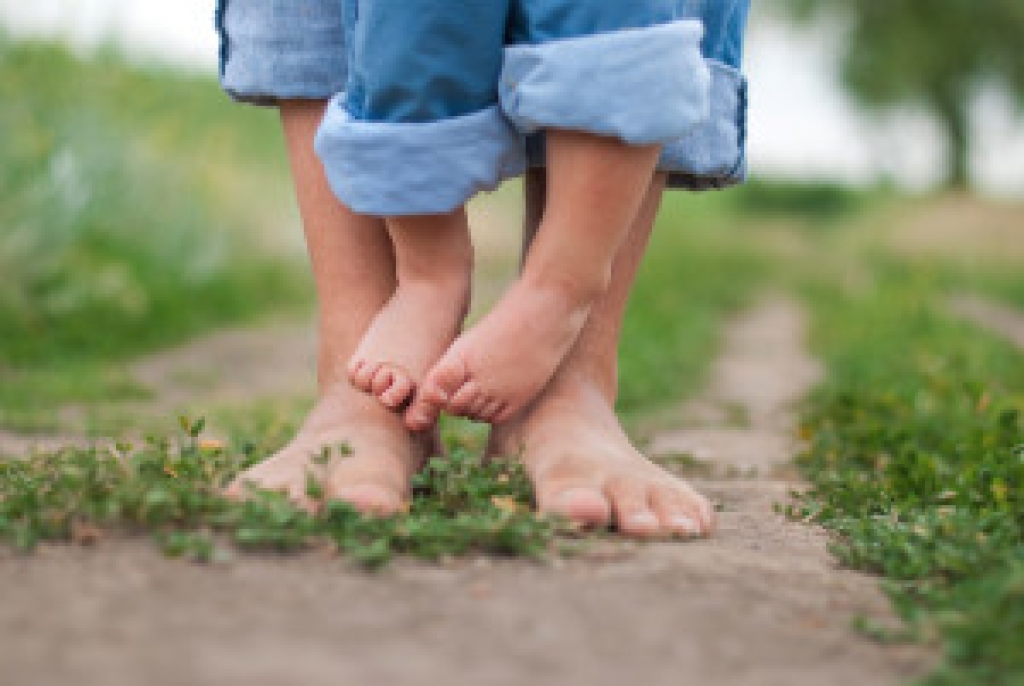
Babies feet are generally flexible when they are born. There are numerous bones, joints, and ligaments that hold the feet together, and will become stronger as walking begins. This typically happens between eight and eighteen months of age. Research has indicated it is beneficial to have your children walk barefoot while they are indoors. The overall strength of the foot may be developed as a result of the grasping action the toes will provide. When it is time to walk outside, wearing the proper footwear will help the child to balance as the feet become stronger. These shoes should consist of having soles that are flexible and flat, and it is recommended that there is adequate room for the toes to move freely in. If you notice your child’s feet are turning inward or outward, it is advised to schedule an appointment with a podiatrist who can properly assess your child’s feet.

Making sure that your children maintain good foot health is very important as they grow. If you have any questions, contact one of our podiatrists of Riznyk Podiatry. Our doctors can provide the care you need to keep you pain-free and on your feet.

Keeping Children's Feet Healthy

Having healthy feet during childhood can help prevent medical problems later in life, namely in the back and legs. As children grow, their feet require different types of care. Here are some things to consider...

Although babies do not walk yet, it is still very important to take care of their feet.

Avoid putting tight shoes or socks on his or her feet.

Allow the baby to stretch and kick his or her feet to feel comfortable.

As a toddler, kids are now on the move and begin to develop differently. At this age, toddlers are getting a feel for walking, so don’t be alarmed if your toddler is unsteady or ‘walks funny’. 

As your child gets older, it is important to teach them how to take care of their feet.

Show them proper hygiene to prevent infections such as fungus.

Be watchful for any pain or injury.

Have all injuries checked by a doctor as soon as possible.

Comfortable, protective shoes should always be worn, especially at play.

If you have any questions, please feel free to contact our office located in Orchard Park, NY . We offer the newest diagnostic and treatment technologies for all your foot care needs.
Read more about What to Do to Keep Your Child’s Feet Healthy
Connect With Us