Custom orthotics, or shoe inserts, should be periodically replaced. Orthotics must fit properly to give you the best results. Protect your feet and ankles!
Custom orthotics, or shoe inserts, should be periodically replaced. Orthotics must fit properly to give you the best results. Protect your feet and ankles!
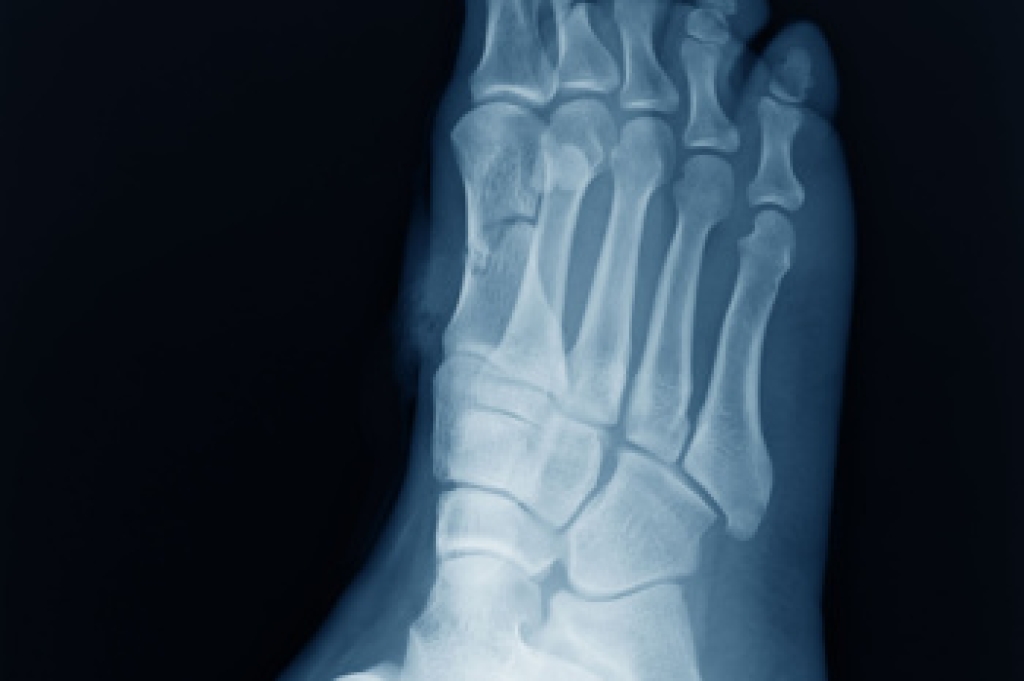
Cuboid syndrome affects one of the small bones on the outer side of the foot called the cuboid. This bone helps support normal foot movement and works with nearby joints while walking. Cuboid syndrome develops when the cuboid bone shifts slightly out of its normal position or the surrounding tissues become irritated. This problem can happen after an ankle sprain or repeated stress from sports and other physical activities. Wearing shoes that lack proper support also can increase stress on the foot. Pain usually develops along the outer side of the foot and becomes worse while walking or standing. Some patients notice weakness, tenderness, or difficulty pushing off the foot. The pain can resemble other foot conditions, making a professional evaluation important.
A podiatrist performs a detailed examination to determine whether cuboid syndrome is causing the pain. The evaluation includes checking the location of the discomfort, the movement of the foot, and the stability of the surrounding joints. The podiatrist also watches how the patient stands and walks because changes in movement can place extra stress on the cuboid bone. Imaging tests, like X-rays or MRI scans, help rule out fractures and other conditions that cause similar symptoms. Although these tests do not always confirm cuboid syndrome, they provide valuable information when making a diagnosis. Identifying the correct source of pain allows the podiatrist to recommend the most effective treatment.
Treatment focuses on restoring normal foot function and reducing stress on the injured area. A podiatrist can gently reposition the cuboid bone when it has shifted from its normal alignment. Care also includes custom orthotics that improve foot support and reduce pressure on the outer side of the foot. Stretching and strengthening exercises help improve stability and lower the chance of repeated problems. Patients with ongoing pain are evaluated for other foot conditions that could require additional treatment. If you have symptoms of cuboid syndrome, it is suggested that you schedule an appointment with a podiatrist for a diagnosis and appropriate treatment.
Cuboid syndrome, also known as cuboid subluxation, occurs when the joints and ligaments near the cuboid bone in the foot become torn. If you have cuboid syndrome, consult with one of our podiatrists from Riznyk Podiatry. Our doctors will assess your condition and provide you with quality foot and ankle treatment.
Cuboid syndrome is a common cause of lateral foot pain, which is pain on the outside of the foot. The condition may happen suddenly due to an ankle sprain, or it may develop slowly overtime from repetitive tension through the bone and surrounding structures.
Causes
The most common causes of cuboid syndrome include:
Symptoms
A common symptom of cuboid syndrome is pain along the outside of the foot which can be felt in the ankle and toes. This pain may create walking difficulties and may cause those with the condition to walk with a limp.
Diagnosis
Diagnosis of cuboid syndrome is often difficult, and it is often misdiagnosed. X-rays, MRIs and CT scans often fail to properly show the cuboid subluxation. Although there isn’t a specific test used to diagnose cuboid syndrome, your podiatrist will usually check if pain is felt while pressing firmly on the cuboid bone of your foot.
Treatment
Just as the range of causes varies widely, so do treatments. Some more common treatments are ice therapy, rest, exercise, taping, and orthotics.
If you have any questions, please feel free to contact our office located in Orchard Park, NY . We offer the newest diagnostic and treatment technologies for all your foot care needs.

Pediatric flat feet refer to a condition where the arch of the foot is not fully formed or appears to collapse when standing. This is a normal stage in early development, as infants and toddlers naturally have flat feet. The arch begins to develop between the ages of three and six as the foot structure matures. By adolescence, typically around age 14, the arch reaches full development in most individuals.
Symptoms of flat feet in children are often mild, but can become more noticeable as activity levels increase. Some children experience foot fatigue, arch discomfort, or ankle instability. Signs may include inward tilting of the ankles, uneven walking patterns, or complaints of leg or foot pain after exercise. While many children remain symptom free, others may develop issues that affect mobility and comfort.
The causes of flat feet are often related to genetics and biomechanics. Children with a family history of flat feet are more likely to develop the condition. Flexible joints, ligament laxity, and muscle imbalances can also influence arch formation. Additional risk factors include excess body weight and prolonged standing on hard surfaces without proper footwear support.
Walking barefoot can support natural muscle strengthening during early childhood, especially on safe and soft surfaces. It allows the foot to move freely and develop strength. However, proper shoes are important for protection and support during daily activities. Early awareness of symptoms can help prevent long term complications. If your older child has flat feet, it is suggested that you consult a podiatrist for expert advice on shoe guidance and management tips tailored to your child’s needs.
Flatfoot is a condition many people suffer from. If you have flat feet, contact one of our podiatrists from Riznyk Podiatry. Our doctors will treat your foot and ankle needs.
What Are Flat Feet?
Flatfoot is a condition in which the arch of the foot is depressed and the sole of the foot is almost completely in contact with the ground. About 20-30% of the population generally has flat feet because their arches never formed during growth.
Conditions & Problems:
Having flat feet makes it difficult to run or walk because of the stress placed on the ankles.
Alignment – The general alignment of your legs can be disrupted, because the ankles move inward which can cause major discomfort.
Knees – If you have complications with your knees, flat feet can be a contributor to arthritis in that area.
Symptoms
Treatment
If you are experiencing pain and stress on the foot you may weaken the posterior tibial tendon, which runs around the inside of the ankle.
If you have any questions, please feel free to contact our office located in Orchard Park, NY . We offer the newest diagnostic and treatment technologies for all your foot care needs.

The Achilles tendon is the thick band of tissue that connects the calf muscles to the heel bone. It allows the foot to push off the ground while walking, running, and climbing stairs. An Achilles tendon injury can develop from repeated stress or a sudden movement that places too much force on the tendon. Patients who quickly increase their activity level or wear shoes that lack proper support also have a greater risk of injury. Symptoms include pain above the heel, swelling, stiffness, and tenderness. Some patients notice that the pain becomes worse after activity or while walking. A complete tear can cause a popping sensation followed by severe pain and difficulty standing on the toes. Early evaluation is important because untreated injuries can affect normal foot function.
A podiatrist performs a detailed examination to determine the type and severity of the injury. The evaluation includes checking the tendon for strength, tenderness, and range of motion. The podiatrist also observes how the patient stands and walks. Imaging tests, like ultrasound or MRI scans, provide detailed views of the tendon and help identify inflammation, partial tears, or complete tears. An accurate diagnosis allows the podiatrist to recommend the most appropriate treatment and helps reduce the risk of long-term problems.
Treatment depends on the condition of the tendon and the patient's activity level. A podiatrist develops a treatment plan that protects the injured tendon while restoring strength and flexibility. Care includes custom orthotics to improve foot support and reduce stress on the tendon. It also includes guided stretching and strengthening exercises that improve movement and balance. Patients with severe tendon tears or injuries that do not respond to conservative treatment can benefit from surgery to restore normal function. Regular follow-up visits allow the podiatrist to monitor healing and support a safe return to daily activities. If you have symptoms of Achilles tendon injuries, it is suggested that you schedule an appointment with a podiatrist for diagnosis and treatment.
Achilles tendon injuries need immediate attention to avoid future complications. If you have any concerns, contact one of our podiatrists of Riznyk Podiatry. Our doctors can provide the care you need to keep you pain-free and on your feet.
What Is the Achilles Tendon?
The Achilles tendon is a tendon that connects the lower leg muscles and calf to the heel of the foot. It is the strongest tendon in the human body and is essential for making movement possible. Because this tendon is such an integral part of the body, any injuries to it can create immense difficulties and should immediately be presented to a doctor.
What Are the Symptoms of an Achilles Tendon Injury?
There are various types of injuries that can affect the Achilles tendon. The two most common injuries are Achilles tendinitis and ruptures of the tendon.
Achilles Tendinitis Symptoms
Rupture Symptoms
Treatment and Prevention
Achilles tendon injuries are diagnosed by a thorough physical evaluation, which can include an MRI. Treatment involves rest, physical therapy, and in some cases, surgery. However, various preventative measures can be taken to avoid these injuries, such as:
If you have any questions please feel free to contact our office located in Orchard Park, NY . We offer the newest diagnostic tools and technology to treat your foot and ankle needs.

Blisters are fluid-filled pockets that form on the skin, often as a result of friction, pressure, or irritation. On the feet, blisters commonly develop on the toes, heels, soles, or sides of the foot. They may be caused by rubbing from footwear, long periods of walking or standing, burns, allergic reactions, infections, or certain skin conditions. Foot blisters can be painful because the feet support body weight throughout the day. Symptoms may include tenderness, redness, swelling, and a raised area filled with clear fluid or blood. While many blisters heal without complications, they can make everyday activities uncomfortable and may affect mobility.
Although blisters are common, they should not always be dismissed as a minor problem. A blister that becomes increasingly painful, drains fluid, or develops surrounding redness may indicate a more serious issue. People with diabetes, poor circulation, or a weakened immune system face a greater risk of complications from foot blisters. In these individuals, even a small skin injury can lead to infection or delayed healing. Recurring blisters may also signal an underlying problem, such as abnormal foot mechanics, improper footwear, or a skin disorder. Because blisters on the feet can develop for many reasons, obtaining an accurate diagnosis is important before treatment begins.
A podiatrist is a foot and ankle specialist who can evaluate foot blisters and determine their underlying cause. During an examination, the podiatrist may assess the skin, review symptoms, and look for signs of infection, excessive pressure, or structural foot problems. Treatment may include wound management, infection treatment, footwear recommendations, or pressure-relieving solutions designed to reduce irritation. For patients with recurring blisters, a podiatrist can identify contributing factors and recommend appropriate care to help prevent future problems. Professional podiatry care can help relieve discomfort, protect the skin, and reduce the risk of complications. If you have painful foot blisters, signs of infection, recurring symptoms, or difficulty walking, it is suggested that you consult a podiatrist for an evaluation and appropriate treatment options.
Blisters are prone to making everyday activities extremely uncomfortable. If your feet are hurting, contact one of our podiatrists of Riznyk Podiatry. Our doctors can provide the care you need to keep you pain-free and on your feet.
Foot Blisters
Foot blisters develop as a result of constantly wearing tight or ill-fitting footwear. This happens due to the constant rubbing from the shoe, which can often lead to pain.
What Are Foot Blisters?
A foot blister is a small fluid-filled pocket that forms on the upper-most layer of the skin. Blisters are filled with clear fluid and can lead to blood drainage or pus if the area becomes infected.
How Do Blisters Form?
Blisters on the feet are often the result of constant friction of skin and material, usually by shoe rubbing. Walking in sandals, boots, or shoes that don’t fit properly for long periods of time can result in a blister. Having consistent foot moisture and humidity can easily lead to blister formation.
Prevention & Treatment
It is important to properly care for the affected area in order to prevent infection and ease the pain. Do not lance the blister and use a Band-Aid to provide pain relief. Also, be sure to keep your feet dry and wear proper fitting shoes. If you see blood or pus in a blister, seek assistance from a podiatrist.
If you have any questions, please feel free to contact our office located in Orchard Park, NY . We offer the newest diagnostic and treatment technologies for all your foot care needs.