Blog

Causes and Treatment of Bumps on the Sole of the Foot

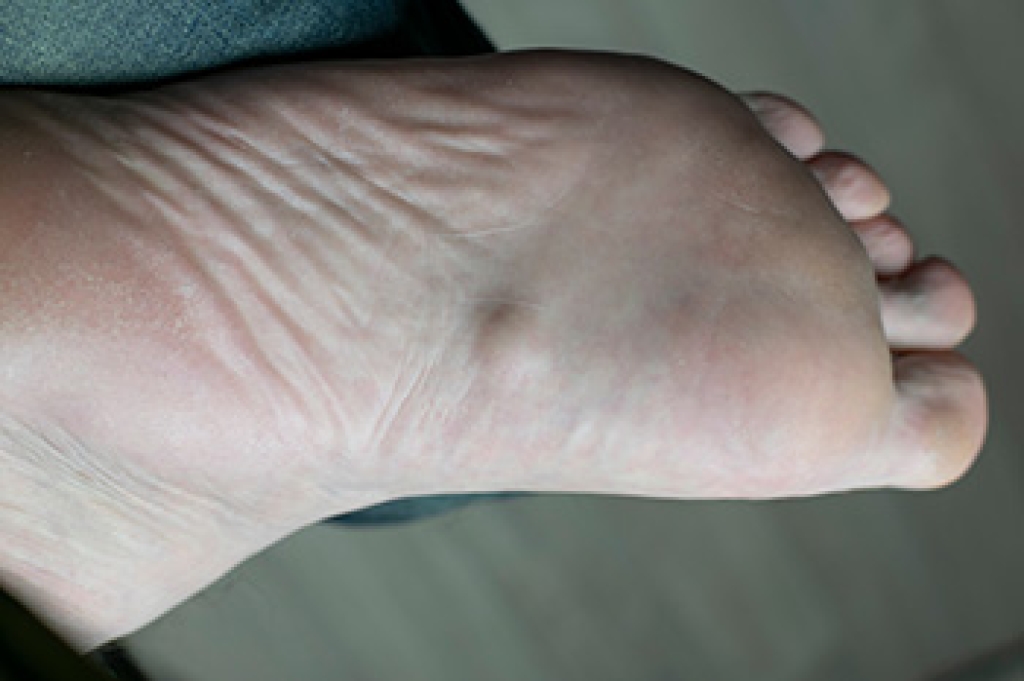
Bumps on the bottom of the foot should not be ignored, especially when they cause pain or make walking uncomfortable. Some bumps result from thickened skin caused by repeated pressure or friction. Others result from growths beneath the skin or changes in the soft tissue of the foot. Common causes include plantar warts, calluses, and plantar fibromas. A plantar fibroma is a firm lump that develops in the band of tissue that supports the arch. While some bumps remain small, others grow larger and become more noticeable when standing or walking. A careful examination by a podiatrist can help determine the exact cause.

The symptoms associated with foot bumps vary depending on the condition. Some bumps feel hard and rough, while others feel smooth or rubbery. Pain can occur when pressure is placed on the area. This is especially true while walking or standing for long periods of time. Plantar warts sometimes contain small black dots and can feel tender. Calluses usually appear as thick, hardened areas of skin. Plantar fibromas often develop in the arch and may create discomfort when shoes press against them. In some cases, a bump can be accompanied by swelling, redness, or irritation. These symptoms should be evaluated by a podiatrist to rule out more serious conditions.

A podiatrist can diagnose the source of a foot bump through a physical examination and imaging studies, when necessary. Treatment depends on the underlying cause. Options include custom orthotics, medication, or removal of abnormal tissue. Plantar warts may require specialized treatment to eliminate the viral growth. Painful fibromas may need additional care to reduce discomfort. Early diagnosis is important because some bumps can become larger and interfere with normal movement. If you have unexplained or painful bumps on the bottom of your foot, it is suggested that you schedule an appointment with a podiatrist for an accurate diagnosis and effective treatment solutions.

Foot Pain

Foot pain can be extremely painful and debilitating. If you have a foot pain, consult with one of our podiatrists from Riznyk Podiatry. Our doctors will assess your condition and provide you with quality foot and ankle treatment.

Causes

Foot pain is a very broad condition that could be caused by one or more ailments. The most common include:

  • Bunions
  • Hammertoes
  • Plantar Fasciitis
  • Bone Spurs
  • Corns
  • Tarsal Tunnel Syndrome
  • Ingrown Toenails
  • Arthritis (such as Gout, Rheumatoid, and Osteoarthritis)
  • Flat Feet
  • Injury (from stress fractures, broken toe, foot, ankle, Achilles tendon ruptures, and sprains)
  • And more

Diagnosis

To figure out the cause of foot pain, podiatrists utilize several different methods. This can range from simple visual inspections and sensation tests to X-rays and MRI scans. Prior medical history, family medical history, and any recent physical traumatic events will all be taken into consideration for a proper diagnosis.

Treatment

Treatment depends upon the cause of the foot pain. Whether it is resting, staying off the foot, or having surgery; podiatrists have a number of treatment options available for foot pain.

If you have any questions, please feel free to contact our office located in Orchard Park, NY . We offer the newest diagnostic and treatment technologies for all your foot care needs.


Read more about Foot Pain

Reconstructive Foot Surgery Can Restore Mobility

Reconstructive foot surgery plays an important role in treating complex foot and ankle conditions that affect structure and movement. This type of procedure is designed to correct deformities, repair damaged tissues, and restore proper alignment. Individuals who suffer from chronic foot pain, instability, or visible deformities may benefit from surgery when non-surgical options are no longer effective. Advanced arthritis, severe injuries, congenital abnormalities, and progressive tendon disorders often require a more advanced solution.

The process begins with a detailed assessment to identify the underlying issue. A podiatrist evaluates bone structure, joint motion, and soft tissue health to determine the most effective treatment plan. Imaging studies help confirm the diagnosis and guide surgical planning. Each procedure is tailored to the patient’s specific needs, which may include bone realignment, tendon repair, or joint stabilization. The goal is to create a balanced and functional foot that can support daily activity without pain.


Post-surgical recovery is a critical phase that requires patience and commitment. Patients may need to limit weight-bearing activities and use assistive devices during the healing period. Rehabilitation focuses on restoring strength, flexibility, and balance. Proper footwear and orthotic support can help maintain the results of surgery and prevent future problems. With careful management, many individuals regain improved function and experience lasting relief.


Reconstructive foot surgery is not only about correcting a problem, but also about improving long-term mobility and comfort. Early evaluation can prevent further damage and reduce the need for more extensive procedures. If you have foot defects, injuries, or a foot infection and may need reconstructive foot surgery, it is strongly suggested that you consult a podiatrist to explore the best treatment options for your condition.

Foot surgery is sometimes necessary to treat a foot ailment. To learn more, contact one of our podiatrists of Riznyk Podiatry. Our doctors will assist you with all of your foot and ankle needs.

When Is Surgery Necessary?

Foot and ankle surgery is generally reserved for cases in which less invasive, conservative procedures have failed to alleviate the problem. Some of the cases in which surgery may be necessary include:

  • Removing foot deformities like bunions and bone spurs
  • Severe arthritis that has caused bone issues
  • Cosmetic reconstruction

What Types of Surgery Are There?

The type of surgery you receive will depend on the nature of the problem you have. Some of the possible surgeries include:

  • Bunionectomy for painful bunions
  • Surgical fusion for realignment of bones
  • Neuropathy decompression surgery to treat nerve damage

Benefits of Surgery

Although surgery is usually a last resort, it can provide more complete pain relief compared to non-surgical methods and may allow you to finally resume full activity.

Surgical techniques have also become increasingly sophisticated. Techniques like endoscopic surgery allow for smaller incisions and faster recovery times.

If you have any questions, please feel free to contact our office located in Orchard Park, NY . We offer the newest diagnostic and treatment technologies for all your foot care needs.
Read more about Foot Surgery

Finding Baby’s 1st Walking Shoes

A baby’s first steps are an exciting part of growth, and the right shoes can help support healthy foot development. Before children begin walking, spending time barefoot helps strengthen the feet and improve balance. Once walking begins, shoes should protect the feet while still allowing natural movement. Good walking shoes include flexible soles, lightweight materials, and non-slip bottoms to help improve stability. Shoes should fit securely without being too tight or too loose. Shoes that are too large can cause tripping and affect walking patterns, while tight shoes can place pressure on growing feet and toenails. Many parents choose shoes with Velcro straps because they are easy to fasten and remove. A podiatrist can examine your child’s feet, check walking patterns, and recommend shoes that match your child’s stage of development. If your child is starting to walk, it is suggested that you make an appointment with a podiatrist for guidance on footwear choices that promote foot health.

Making sure that your children maintain good foot health is very important as they grow. If you have any questions, contact one of our podiatrists of Riznyk Podiatry. Our doctors can provide the care you need to keep you pain-free and on your feet.

Keeping Children's Feet Healthy

Having healthy feet during childhood can help prevent medical problems later in life, namely in the back and legs. As children grow, their feet require different types of care. Here are some things to consider...

Although babies do not walk yet, it is still very important to take care of their feet.

Avoid putting tight shoes or socks on his or her feet.

Allow the baby to stretch and kick his or her feet to feel comfortable.

As a toddler, kids are now on the move and begin to develop differently. At this age, toddlers are getting a feel for walking, so don’t be alarmed if your toddler is unsteady or ‘walks funny’. 

As your child gets older, it is important to teach them how to take care of their feet.

Show them proper hygiene to prevent infections such as fungus.

Be watchful for any pain or injury.

Have all injuries checked by a doctor as soon as possible.

Comfortable, protective shoes should always be worn, especially at play.

If you have any questions, please feel free to contact our office located in Orchard Park, NY . We offer the newest diagnostic and treatment technologies for all your foot care needs.

Read more about What to Do to Keep Your Child’s Feet Healthy

Foot Wounds and Diabetes Risks

Foot wounds are a common and serious concern for people living with diabetes. High blood sugar levels can damage nerves and reduce circulation, making it harder to feel injuries and slower for the body to heal. Small cuts or pressure spots may go unnoticed and develop into open sores, which can lead to soft tissue infections if not treated promptly. Risk factors include poor circulation, nerve damage, and wearing ill-fitting shoes. These wounds often appear on the bottom of the foot or around pressure points, and may worsen over time without proper care. A podiatrist can evaluate circulation, check for infection, and provide advanced treatments to promote healing and prevent complications. Early care can reduce the risk of severe outcomes. If you have diabetes and have developed foot wounds, it is strongly suggested that you consult a podiatrist who can help you to manage this serious condition.

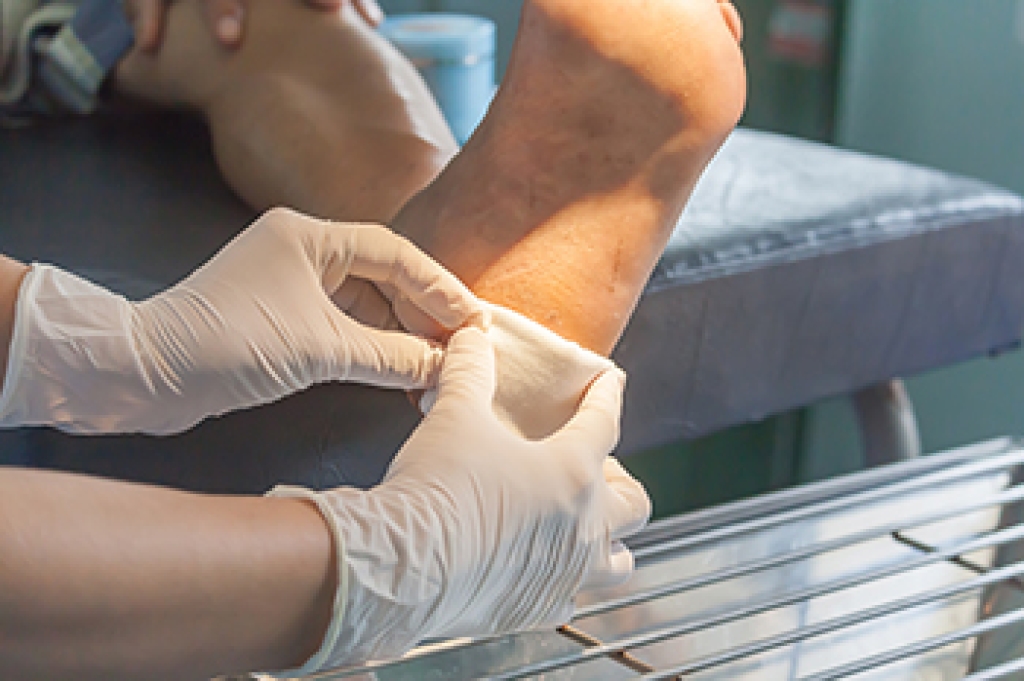
Wound care is an important part in dealing with diabetes. If you have diabetes and a foot wound or would like more information about wound care for diabetics, consult with one of our podiatrists from Riznyk Podiatry. Our doctors will assess your condition and provide you with quality foot and ankle treatment.

What Is Wound Care?

Wound care is the practice of taking proper care of a wound. This can range from the smallest to the largest of wounds. While everyone can benefit from proper wound care, it is much more important for diabetics. Diabetics often suffer from poor blood circulation which causes wounds to heal much slower than they would in a non-diabetic. 

What Is the Importance of Wound Care?

While it may not seem apparent with small ulcers on the foot, for diabetics, any size ulcer can become infected. Diabetics often also suffer from neuropathy, or nerve loss. This means they might not even feel when they have an ulcer on their foot. If the wound becomes severely infected, amputation may be necessary. Therefore, it is of the upmost importance to properly care for any and all foot wounds.

How to Care for Wounds

The best way to care for foot wounds is to prevent them. For diabetics, this means daily inspections of the feet for any signs of abnormalities or ulcers. It is also recommended to see a podiatrist several times a year for a foot inspection. If you do have an ulcer, run the wound under water to clear dirt from the wound; then apply antibiotic ointment to the wound and cover with a bandage. Bandages should be changed daily and keeping pressure off the wound is smart. It is advised to see a podiatrist, who can keep an eye on it.

If you have any questions please contact our office located in Orchard Park, NY . We offer the newest diagnostic and treatment technologies for all your foot and ankle needs.

Read more about Wound Care

Progression of Toenail Fungus

Toenail fungus is a common infection that affects the nail and surrounding tissue, often causing changes in color, thickness, and texture. In the early stage, the nail may show slight discoloration or small white or yellow spots. During the moderate stage, the nail can become thicker, more brittle, and harder to trim. In advanced stages, the nail may become distorted, separate from the nail bed, and cause discomfort or odor. Risk factors include warm moist environments, wearing tight footwear, poor circulation, and underlying health conditions like diabetes. A podiatrist can diagnose the infection, recommend effective treatments, and monitor progress to prevent complications. If you have symptoms of toenail fungus, it is suggested that you consult a podiatrist who can offer effective treatment solutions, which may include prescribed medication.

For more information about treatment, contact one of our podiatrists of Riznyk Podiatry. Our doctors can provide the care you need to keep you pain-free and on your feet.

Toenail Fungus Treatment

Toenail fungus is a condition that affects many people and can be especially hard to get rid of. Fortunately, there are several methods to go about treating and avoiding it.

Antifungals & Deterrence

Oral antifungal medicine has been shown to be effective in many cases. It is important to consult with a podiatrist to determine the proper regiment for you, or potentially explore other options.

Applying foot powder on the feet and shoes helps keep the feet free of moisture and sweat.

Sandals or open toed shoes – Wearing these will allow air movement and help keep feet dry. They also expose your feet to light, which fungus cannot tolerate. Socks with moisture wicking material also help as well.

If you have any questions please contact our office located in Orchard Park, NY . We offer the newest diagnostic and treatment technologies for all your foot and ankle needs.

Read more about Toenail Fungus
Connect With Us