Blog

Causes of Ankle Pain and Treatment Options

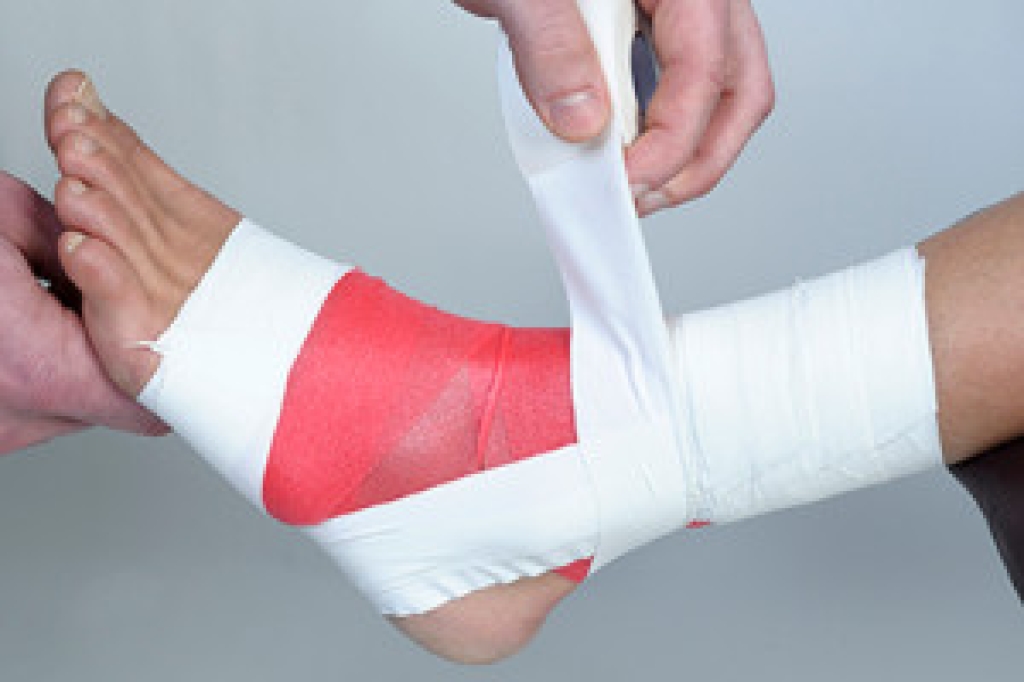
There can be many different causes of ankle pain, ranging from an ankle sprain or fracture to chronic conditions such as arthritis. The degree of the ankle pain can vary and it can come on suddenly or slowly over time. The ankle joint consists of bones, muscles, cartilage, and tissues called ligaments and tendons. Any injury or disease that were to affect these structures, could very well lead to ankle pain. Some causes of ankle pain include sprains, tendonitis, arthritis and a bruise or break of the bone. It is important to know that you should visit a doctor if there is an inability to bend the ankle, swelling of the joint, signs of an infection, an inability to walk comfortably on the affected side and if you have ankle pain that occurs at night or while resting. Ankle pain can be diagnosed with an X-ray, medical exam or thorough physical examination. The RICE protocol is a 4-step process in which you may be able to treat your injury from the comfort of your own home. The first step is to rest. This will allow for the joint to relax and for any inflammation to subside. The next step is to ice. Ice should be applied at least 3 times a day for 15 to 20 minutes. This will allow for any swelling to go down and it will also soothe the pain. The third step is to add compression. Compression bandages, such as an ACE wrap will help support and immobilize the ankle joint. Be sure not to add too much compression as this can lead to numbness, tingling and swelling at the site of the pain. The final step is to elevate the ankle. Raising the ankle above the level of the heart, by way of propping your foot up on pillows, will help reduce any swelling for the first couple days after the injury has occurred. If you are suffering from any ankle pain, visit your podiatrist to see what treatment may be right for you.


 

Read more about Ankle Pain

Tips for Preventing Foot and Ankle Injuries

Foot and ankle injuries are very common in sports, especially among people that play tennis, soccer and run on a regular basis. That is why it is necessary to take some precautions in order to prevent injury. To start off, it is important to warm up the muscles before a sporting activity. Doing a light stretch and a slow jog for two to three minutes will do the trick. A second tip is to condition your muscles. The amount of time spent on a certain activity should be increased gradually over a period of a couple weeks to build both muscle strength and mobility. A third tip is to choose athletic shoes that specifically fit your foot type. People whose feet pronate or who have low arches need shoes that provide support in both the front of the shoe and under the arch. It is also recommended to choose a shoe with more cushion and a softer platform. A fourth tip is to avoid running or stepping on uneven surfaces. Holes, tree stumps, roots and paths with a rocky terrain or loose gravel should be avoided when running. If you have ankle problems, it is best to run on a softer surface like asphalt instead of concrete. A final tip is to listen to your body. If foot and ankle pain is experienced during a sport, you should stop taking part in the activity until the pain fully subsides. It is vital to go through a full rehabilitation process before returning to the sport. This is done to prevent any recurrent injuries. If you have sustained a foot or ankle injury while playing a sport, it is advised to see a podiatrist. 


Foot and ankle trauma is common among athletes and the elderly. If you have concerns that you may have experienced trauma to the foot and ankle, consult with one of our podiatrists from Riznyk Podiatry. Our doctors will assess your condition and provide you with quality foot and ankle treatment.

Foot and ankle trauma cover a range of injuries all over the foot; common injuries include:

  • Broken bones
  • Muscle strains
  • Injuries to the tendons and ligaments
  • Stress fractures

Symptoms

Symptoms of foot and ankle injuries vary depending on the injury, but more common ones include:

  • Bruising
  • Inflammation/ Swelling
  • Pain

Diagnosis

To properly diagnose the exact type of injury, podiatrists will conduct a number of different tests. Some of these include sensation and visual tests, X-rays, and MRIs. Medical and family histories will also be taken into account.

Treatment

Once the injury has been diagnosed, the podiatrist can than offer the best treatment options for you. In less severe cases, rest and keeping pressure off the foot may be all that’s necessary. Orthotics, such as a specially made shoes, or immobilization devices, like splints or casts, may be deemed necessary. Finally, if the injury is severe enough, surgery may be necessary.

If you have any questions, please feel free to contact our office located in Orchard Park, NY . We offer the newest diagnostic and treatment technologies for all your foot care needs.

Read more about Foot and Ankle Trauma

It's Time for Beautiful Feet

You don't need an excuse to have beautiful nails. Step outside without worrying about the appearance of your feet.

Stretching Techniques for the Feet

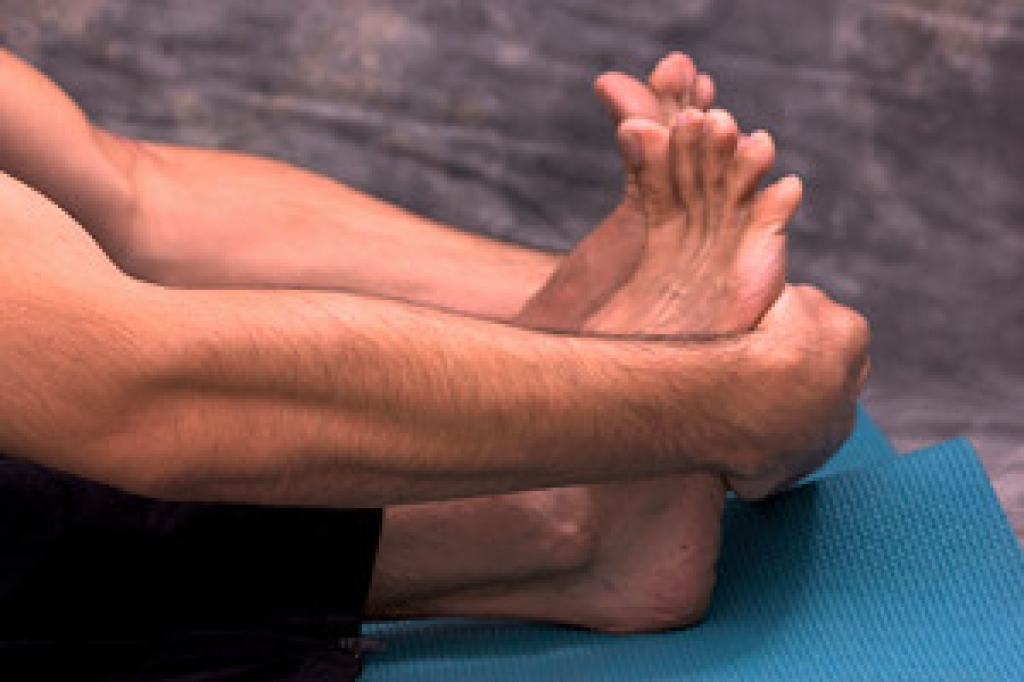
When the soles of the feet are stretched, it may contribute to an overall positive feeling in the body. The feet are considered to be the foundation of the body, and chronic foot pain may affect the way you walk. There are simple ways to stretch the arches, toes, and soles, and it is beneficial to practice these stretches as frequently as possible. An effective stretch begins with starting on your hands and knees, and gradually sitting back on your heels, while keeping the toes tucked. To stretch the toes and ankles, sit on the floor and cross one leg over the other. Grasp one foot, and gently pull the toes apart, while moving the ankle in circles. The arch can be stretched by rolling the foot on a tennis ball or frozen water bottle. The latter technique may feel good after a long day of standing on your feet. If you would like additional information about how to stretch your feet, please consult with a podiatrist.

Stretching the feet is a great way to prevent injuries. If you have any concerns with your feet consult with one of our podiatrists from Riznyk Podiatry. Our doctors will assess your condition and provide you with quality foot and ankle treatment.

Stretching the Feet

Being the backbone of the body, the feet carry your entire weight and can easily become overexerted, causing cramps and pain. As with any body part, stretching your feet can serve many benefits. From increasing flexibility to even providing some pain relief, be sure to give your feet a stretch from time to time. This is especially important for athletes or anyone performing aerobic exercises, but anyone experiencing foot pain or is on their feet constantly should also engage in this practice.

Great ways to stretch your feet:

  • Crossing one leg over the others and carefully pull your toes back. Do 10-20 repetitions and repeat the process for each foot
  • Face a wall with your arms out and hands flat against the wall. Step back with one foot and keep it flat on the floor while moving the other leg forward. Lean towards the wall until you feel a stretch. Hold for 30 seconds and perform 10 repetitions for each foot
  • Be sure not to overextend or push your limbs too hard or you could risk pulling or straining your muscle

Individuals who tend to their feet by regular stretching every day should be able to minimize foot pain and prevent new problems from arising.

If you have any questions please contact our office located in Orchard Park, NY . We offer the newest diagnostic and treatment technologies for all your foot and ankle needs.

Read more about Stretching Your Feet

Causes and Symptoms of Bunions

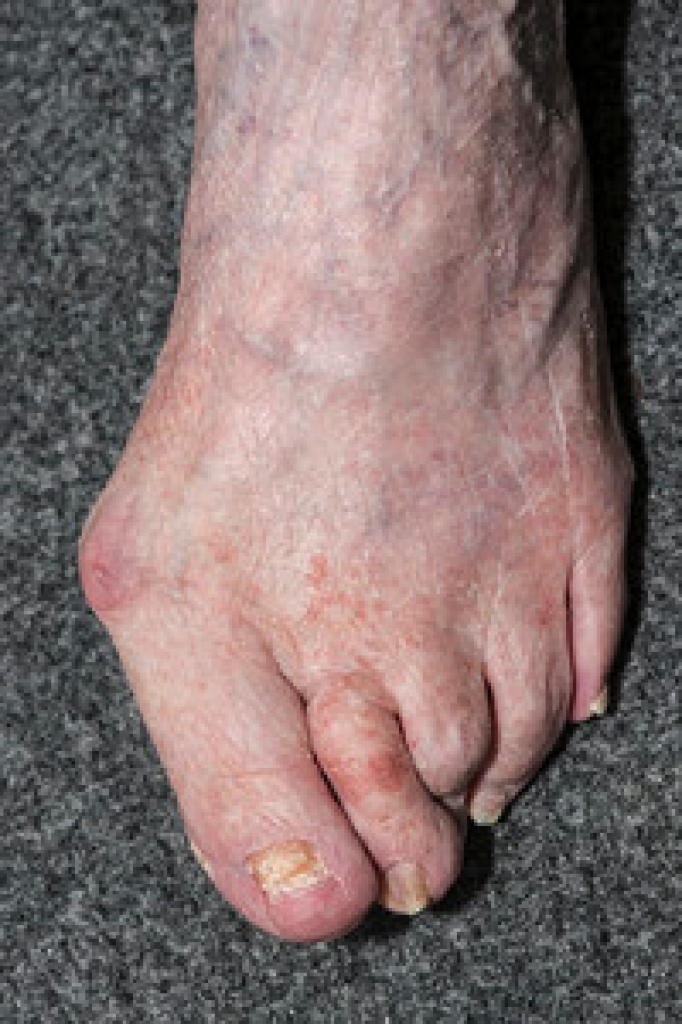
A protruding bone at the base of the big toe is referred to as a bunion. There are common symptoms that are associated with this condition. These typically include calloused and hard skin on top of the bunion, and swelling as a result of wearing shoes. Bunions are known to be caused by genetics, and many patients may develop this uncomfortable condition from wearing shoes that do not fit properly. There are several treatment options that may be effective, including wearing orthotics, taking painkillers, or using bunion pads. For severe bunions, surgery may be a viable option, if permanent removal of the bunion is warranted. There are measures that can be implemented that can help to prevent this condition from occurring. These include wearing shoes that have adequate room for the toes to move freely, and to avoid wearing high heels. If you believe you may have bunions, it is suggested that you seek the counsel of a podiatrist who can properly diagnosis and treat this condition.

If you are suffering from bunions, contact one of our podiatrists of Riznyk Podiatry. Our doctors can provide the care you need to keep you pain-free and on your feet.

What Is a Bunion?

A bunion is formed of swollen tissue or an enlargement of boney growth, usually located at the base joint of the toe that connects to the foot. The swelling occurs due to the bones in the big toe shifting inward, which impacts the other toes of the foot. This causes the area around the base of the big toe to become inflamed and painful.

Why Do Bunions Form?

Genetics – Susceptibility to bunions are often hereditary

Stress on the feet – Poorly fitted and uncomfortable footwear that places stress on feet, such as heels, can worsen existing bunions

How Are Bunions Diagnosed?

Podiatrists often perform two tests – blood tests and x-rays – when trying to diagnose bunions, especially in the early stages of development. Blood tests help determine if the foot pain is being caused by something else, such as arthritis, while x-rays provide a clear picture of your bone structure to your provider.

How Are Bunions Treated?

  • Refrain from wearing heels or similar shoes that cause discomfort
  • Select wider shoes that can provide more comfort and reduce pain
  • Anti-inflammatory and pain management drugs
  • Orthotics or foot inserts
  • Surgery

If you have any questions, please feel free to contact our office located in Orchard Park, NY . We offer the newest diagnostic and treatment technologies for all your foot care needs.

Read more about Bunions
Connect With Us